



A retail CEO showed me their 2026 digital optimization roadmap last month. It was impressive. 18 initiatives. 4 new platforms. A budget that showed serious commitment.
I asked one question: “Which of these solves the reason customers abandon their carts at checkout?”
He paused. Thought about it. Then admitted he wasn’t sure which one addressed that specifically.
With cart abandonment rates averaging 70% globally, addressing checkout friction should be every retailer’s priority.
However, this conversation stuck with me because it’s not unusual. I see it often with retail leaders across the GCC. Significant investment in digital optimization. Real ambition to improve. But not always a clear connection between what’s being built and the specific problems customers face.

The Pattern I Keep Seeing
Specifically, when I look at digital optimization initiatives that don’t deliver expected results, there’s usually a common thread. Customer journey analytics often reveals where these initiatives fail to connect with actual customer behavior.
They start with technology and work backward to problems.
Typically, someone sees a competitor launch something. Or a vendor presents a customer engagement platform. Or an industry report says this is the next big thing. And the initiative begins.
Moreover, there’s nothing wrong with being aware of what’s happening in the market. However, I’ve learned that the best results come from starting somewhere different, focusing on creating seamless omnichannel customer experience.
Starting with Friction: The Digital Optimization Approach
The brands that seem to get the most from their technology investments usually start with a specific customer friction point.
Where do customers drop off? What frustrates them? What would make their next step easier? Customer journey analytics helps answer these questions with data, not assumptions.
Then they look at technology as a way to address that specific friction.
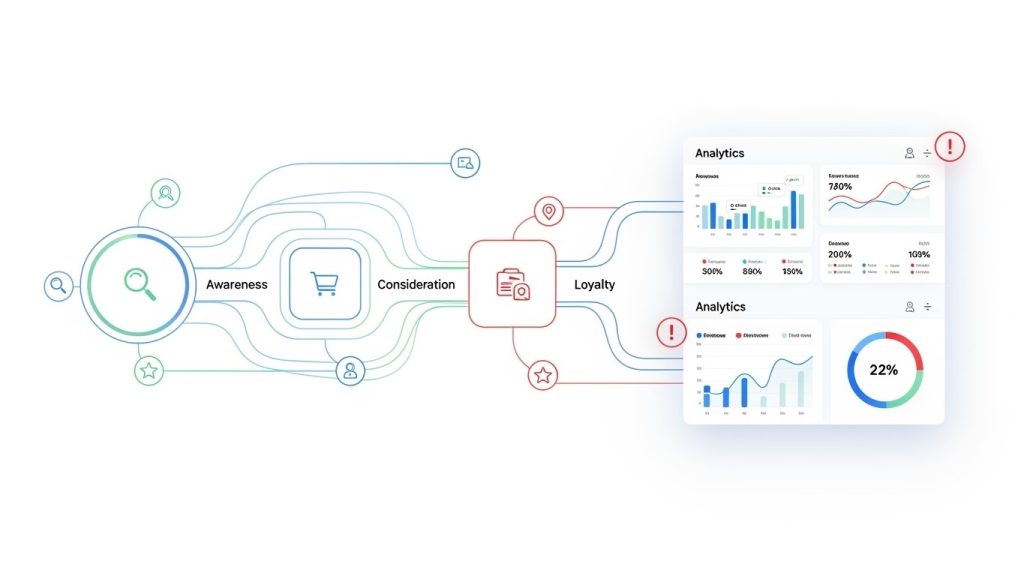
Admittedly, it sounds simple, but it’s different from how most roadmaps get built. Most roadmaps start with capabilities. What can we add? Should we implement this feature? Are others doing something similar?
The friction-first approach to digital optimization asks: what should we remove? What barrier is in the customer’s way? What would make this easier?
This is why digital optimization readiness starts with assessment, not implementation.
A Story From Our Work
A mid-market retailer came to us wanting a new loyalty platform. They had done their research. Had a vendor in mind. Were ready to move forward.
We asked if we could first understand why they wanted it. What problem were they trying to solve?
Subsequently, as we dug in, we discovered that their biggest issue wasn’t loyalty. It was that customers were abandoning carts because of a confusing checkout process. Building omnichannel customer experience across touchpoints mattered more than loyalty features. The loyalty program wouldn’t fix that.
So we suggested a different starting point. Fix the checkout friction first. Then layer loyalty on top of a foundation that actually worked.
As a result, within 90 days, their conversion improved significantly. Consequently, then we implemented the loyalty platform, and it performed better because it was built on a smoother experience.
Importantly, the insight wasn’t that they were doing something wrong. They were being proactive. But starting with the customer friction instead of the technology made a real difference.
What I’ve Learned About 2026 Planning
Looking ahead, as GCC retail brands plan for next year, I think the ones that will see the best results will be those who:
Start with customer friction instead of technology features. Walk the journey. See where people struggle. Then decide what to build. Modern customer engagement platform solutions make this tracking scalable.
Connect before adding. If existing systems don’t talk to each other, adding new ones often creates more confusion. Integration usually matters more than innovation, especially for delivering consistent omnichannel customer experience.
Business operations and systems integration ensure your technology stack works together seamlessly.
Measure behavior change, not just implementation. Success isn’t launching a platform. It’s seeing customers behave differently because of it. The right customer engagement platform tracks these behavioral shifts in real-time.
Stay patient with iteration. The first version rarely works perfectly. The brands that learn and adjust quickly tend to outperform those who try to get everything right upfront. Use customer journey analytics to identify what needs adjustment.
The Opportunity Ahead
According to research, the GCC retail market is projected to reach $308 billion by 2025. The opportunity is real.
However, capturing that opportunity doesn’t require the biggest technology budget. It requires the clearest thinking about what customers actually need.
That’s the shift I’d encourage for 2026. Less focus on what technology to add. More focus on what friction to remove.
The technology follows when you get digital optimization right.
Digital Optimization: Start With Assessment, Not Technology
Digital optimization in 2026 requires identifying friction before adding features.
Most GCC retail leaders invest in technology without understanding where customers actually struggle. The result? Expensive implementations that don’t move conversion metrics.
Ready to take a different approach?
Schedule a digital optimization assessment to identify your highest-impact friction points before planning your 2026 roadmap.
Discover how our strategic assessment and digital solutions services help GCC retail brands remove friction, optimize operations, and drive measurable growth through friction-first strategies.
What’s guiding your planning for next year?