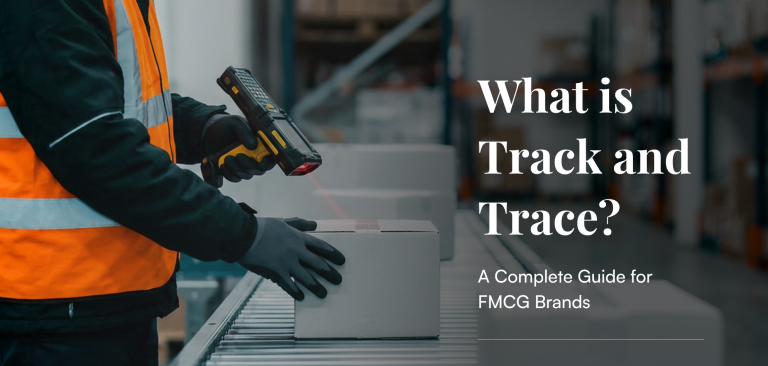



Track and trace technology protects brand equity and combats counterfeiting with enterprise-grade supply chain visibility for FMCG brands.
Understanding Track and Trace in Modern FMCG Supply Chains
Track and trace technology represents one of the most critical investments FMCG brands can make in protecting brand integrity and customer trust. In a global market where counterfeit goods cost legitimate manufacturers over $500 billion annually according to the OECD research on illicit trade, implementing a robust track and trace system is no longer optional—it’s essential business infrastructure.
Track and trace solutions create a digital twin of your physical products as they move through the supply chain. Every unit receives a unique identifier, enabling real-time visibility from manufacturing through distribution to end consumers. This isn’t just about compliance; it’s about reclaiming control of your brand narrative and protecting consumer safety.
Why Track and Trace Matters: The Business Case
The Counterfeiting Crisis
Counterfeiting isn’t a niche problem relegated to luxury goods. FMCG brands—from beverages to personal care—face sophisticated counterfeiting operations that damage brand reputation, expose consumers to unsafe products, and erode profit margins. In the GCC region specifically, where premium consumer goods circulate through complex distribution networks, the risk intensifies.
Counterfeit products create a triple threat: they undermine consumer trust, create liability exposure, and cannibalize legitimate sales. When a consumer encounters a fake product, they don’t blame the counterfeiter—they blame your brand. In fact, one bad experience triggers negative word-of-mouth that no marketing budget can overcome.
Regulatory Compliance Across Markets
Regulations around product traceability are tightening globally. The EU’s Falsified Medicines Directive, emerging GCC serialization requirements for regulated industries, and customer demands for transparency create a compliance landscape that demands systematic solutions. Brands that move early to implement track and trace establish competitive advantage when regulations mandate these systems.
Supply Chain Visibility and Efficiency
Beyond security, track and trace provides operational intelligence. Real-time visibility into product movement reveals distribution bottlenecks, enables faster recall execution when needed, reduces shrinkage, and improves demand forecasting. You see exactly where inventory sits in the supply chain, enabling faster response to market shifts.
How Track and Trace Technology Works
Serialization: The Foundation
At its core, track and trace begins with serialization—assigning a unique identifier (a serial number) to each product unit or batch. This identifier becomes your product’s digital passport. Unlike barcodes that identify product type, serial numbers identify individual product instances, creating accountability at the transaction level.
Moreover, modern serialization goes beyond simple sequential numbering. Enterprise systems use encrypted, randomized serial numbers that resist tampering and counterfeiting. Specifically, each serial number encodes metadata: manufacturing location, production date, batch information, and intended distribution channel. This metadata enables authentication even offline.
QR Codes: Consumer-Accessible Verification
QR codes represent the most consumer-friendly track and trace implementation. When consumers scan a QR code on packaging with their smartphone, they connect to your brand’s verification database. The system confirms the product’s authenticity in real-time and can display engagement content: brand stories, product usage tips, or loyalty program invitations.
QR code systems work offline during scanning (the consumer’s phone decodes static QR data) but typically connect online to verify against your master database. This creates a direct consumer touchpoint that builds brand loyalty while protecting against counterfeiting. QR authentication also provides invaluable data on which products reach which consumers—geographic insights that inform distribution strategy.
Barcodes, RFID, and NFC Technologies
While QR codes dominate consumer-facing track and trace, other technologies serve specific supply chain needs. Traditional barcodes remain essential for distribution center automation and point-of-sale integration, though they lack the uniqueness required for counterfeit prevention.
Radio Frequency Identification (RFID) tags enable automated product tracking without line-of-sight scanning, making them ideal for warehouse and logistics operations. Unlike barcodes, RFID tags can store large data payloads and update information as products move. Near-Field Communication (NFC) technology, similar to RFID but with shorter range, enables secure authentication on consumer devices.
The most sophisticated operations layer these technologies: RFID for supply chain tracking, QR codes for consumer verification, and barcodes for retail point-of-sale systems. As a result, each technology serves a specific audience and operational need.
Implementing Track and Trace: Key Considerations
Integration with Existing Systems
Track and trace doesn’t exist in isolation. It must integrate with your manufacturing execution systems (MES), warehouse management systems (WMS), and distribution management platforms. Your serialization database becomes the central source of truth—every system that touches products must sync serialization data.
In addition, successful implementations establish clear data governance: who owns serialization data, how it flows between systems, how version control works when multiple systems update the same records. Without clean integration architecture, you create data silos that undermine the entire system’s value.
Managing Scale and Cost
Track and trace costs scale across three dimensions: serialization at manufacturing, system infrastructure to store and authenticate serialization data, and consumer-facing verification systems. For large portfolio brands across multiple markets, costs can be substantial. However, the return on investment becomes clear once you calculate avoided counterfeiting losses and regulatory compliance savings.
Cloud-based track and trace platforms eliminate massive infrastructure investments while providing global scalability. Rather than building proprietary systems, brands increasingly adopt specialized track and trace platforms that handle billions of authentication requests monthly across multiple markets and languages.
Track and Trace in the GCC Market Context
The GCC region presents unique track and trace opportunities and challenges. High-value consumer goods flow through complex import-distribution networks, creating counterfeiting hotspots. Simultaneously, GCC consumers—particularly in UAE and Saudi Arabia—increasingly demand product authenticity verification and engagement through smartphone-based systems.
Implementing track and trace in GCC markets requires regional sensitivity: support for Arabic language interfaces, integration with local payment and loyalty ecosystems, compliance with evolving regional regulations, and culturally-appropriate consumer messaging. Brands that localize their systems build stronger consumer trust than those deploying generic global platforms.
Measuring Track and Trace Impact
Analytics platforms like InsightsRep help you measure track and trace effectiveness. Key metrics include:
Authentication Rate measures what percentage of consumers verify their purchase. Geographic Heat Maps reveal which regions generate the most authentication requests. Counterfeit Detection tracks how many fake products attempt authentication and fail. Engagement Metrics show whether authenticated consumers interact with your brand content. Repeat Verification indicates what percentage of authenticated users verify future purchases.
These metrics reveal where counterfeiting threats concentrate, which consumer segments engage with your brand through verification, and how effective your messaging is. Track and trace becomes not just a security tool but a primary marketing channel generating first-party consumer data.
Track and Trace Beyond Security
Mature track and trace implementations deliver value far beyond counterfeiting prevention. They become platforms for:
Consumer Engagement enables direct communication with verified customers through post-purchase digital experiences. Market Intelligence provides real-time data on product distribution, geographic demand patterns, and emerging markets. Loyalty Integration connects authentication to rewards programs, creating friction-free enrollment. Supply Chain Optimization offers visibility enabling faster recalls, more accurate demand forecasting, and waste reduction. Sustainability Tracking communicates product provenance, manufacturing practices, and environmental impact to conscious consumers.
Forward-thinking FMCG leaders view track and trace as infrastructure for the digitized supply chain—a platform on which customer loyalty, data analytics, and operational optimization all depend.
Getting Started with Track and Trace
Beginning your track and trace journey doesn’t require deploying across your entire product portfolio simultaneously. Many brands pilot with high-value products, limited geographies, or specific channels. Furthermore, pilots create institutional knowledge, reveal integration challenges before they threaten operations, and demonstrate ROI that justifies broader investment.
Pilot success depends on clear metrics from day one: define what you’ll measure, establish baseline performance, and commit to honest assessment of pilot results. Brands that approach pilots scientifically—treating them as experiments with hypotheses and success criteria—scale much more successfully than those that implement halfway without clear success definitions.
Track and trace isn’t just regulatory compliance anymore. It’s the infrastructure that turns every product scan into a brand relationship and every counterfeiting attempt into actionable intelligence. A supply chain visibility assessment could reveal exactly where your products are most vulnerable and where your biggest engagement opportunities hide.